In Entwicklung: Diese Leistungen beschreiben geplante Abläufe. Die Software umfasst Datensätze und modellierte Simulationen; feldtaugliche Ergebnisse bleiben Teil des Entwicklungsplans. Umsetzungsstand und Entwicklungsplan
Dieselbe Plattform, auf 16 Arten eingerichtet
Ein Weizenschlag und ein Hopfengarten haben fast nichts gemeinsam außer dass beide beflogen werden. Jede Anwendung unten hat ihren eigenen Flugkalender, ihre eigenen Instrumente und ihre eigene Liste dessen, wonach zu schauen sich lohnt.
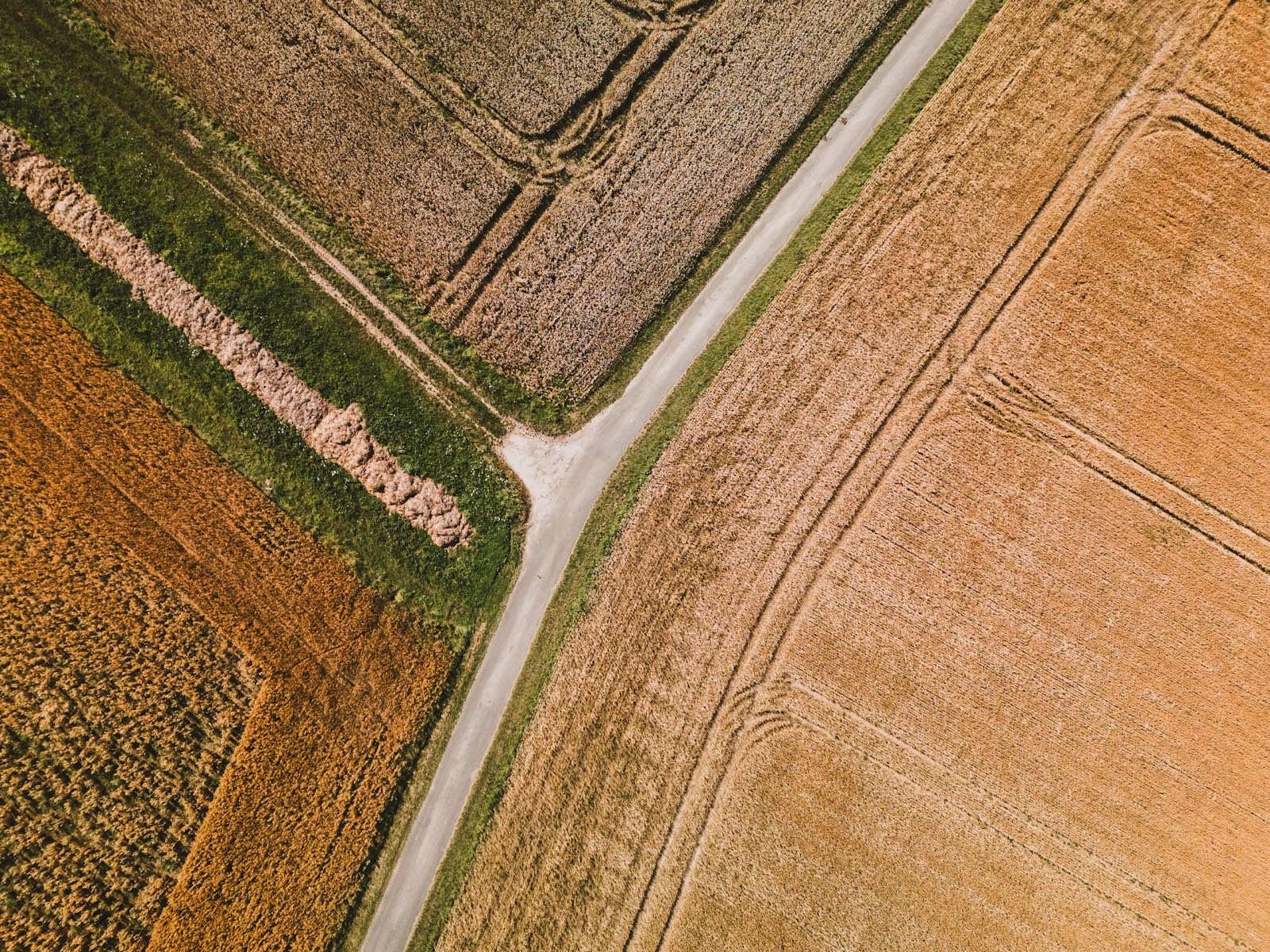
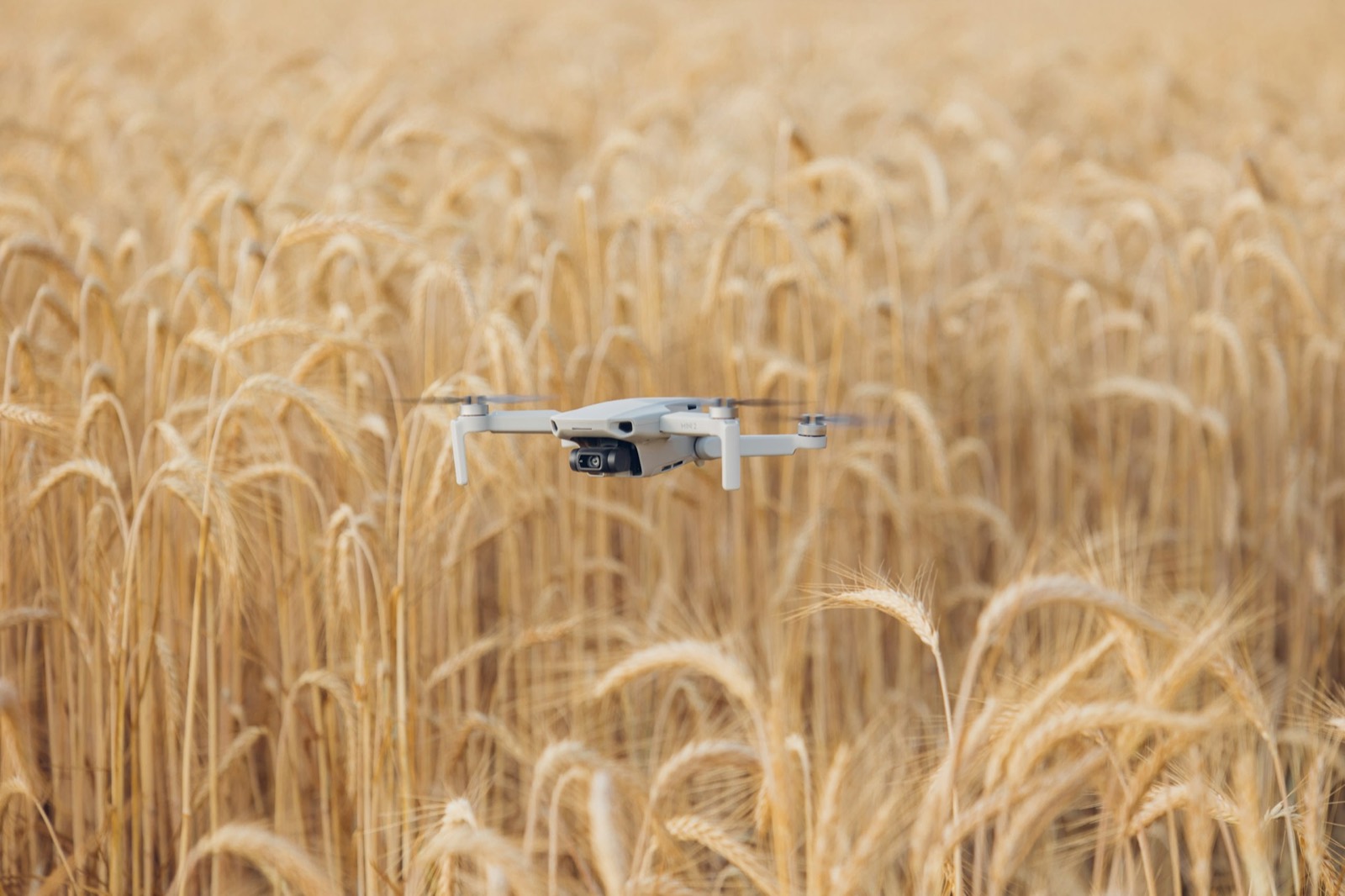
Ackerbau
Druschfrüchte und Hackfrüchte, über eine lange Saison in Etappen beflogen.
-
Winterweizen und Gerste
Die lange Saison, in Etappen geflogen
Auflauflücken, ungleicher Unkrautdruck, Septoria-Risiko und ein Stickstoffplan, der dem Schlag folgen muss statt einer Pauschalgabe.
Schläge von 10 bis 120 Hektar, in einer Route beflogen.
-
Mais
Die ersten Wochen entscheiden, Vögel beenden es
Bestandeszählung, frühe Verunkrautung, Maiszünslerdruck und Vogelschwärme, die zur Reife an den Kolben arbeiten.
Schläge von 5 bis 80 Hektar, mit Abwehrstationen auf den Schlägen unter Druck.
-
Raps
Ungleich vom ersten Tag an
Lückiger Aufgang, Erdflohschäden und ein Bestand, der gemessen werden muss, bevor die Stickstoffentscheidung etwas taugt.
Schläge von 10 bis 100 Hektar.
-
Zuckerrüben
Wo sich die Punktbehandlung zuerst rechnet
Weite Reihen und langsame Jugendentwicklung machen Rüben zur Kultur, bei der Unkrautkartierung und Einzelpflanzenbehandlung am meisten sparen.
Schläge von 10 bis 80 Hektar.
-
Kartoffeln
Kraut- und Knollenfäule, Beregnung, ein unsichtbarer Bestand
Krautfäuleüberwachung in engem Takt, Beregnungsgleichmäßigkeit aus Thermalbildern und eine Ertragsschätzung vor der Rodung.
Schläge von 5 bis 60 Hektar, meist beregnet.
-
Biobetriebe
Mechanisches Hacken braucht die Karte am dringendsten
Ohne Herbizide entscheidet die Lage des Unkrauts, wo die Hacke hinfährt, wann, und wie viele Überfahrten der Schlag wirklich braucht.
Schläge von 5 bis 100 Hektar.
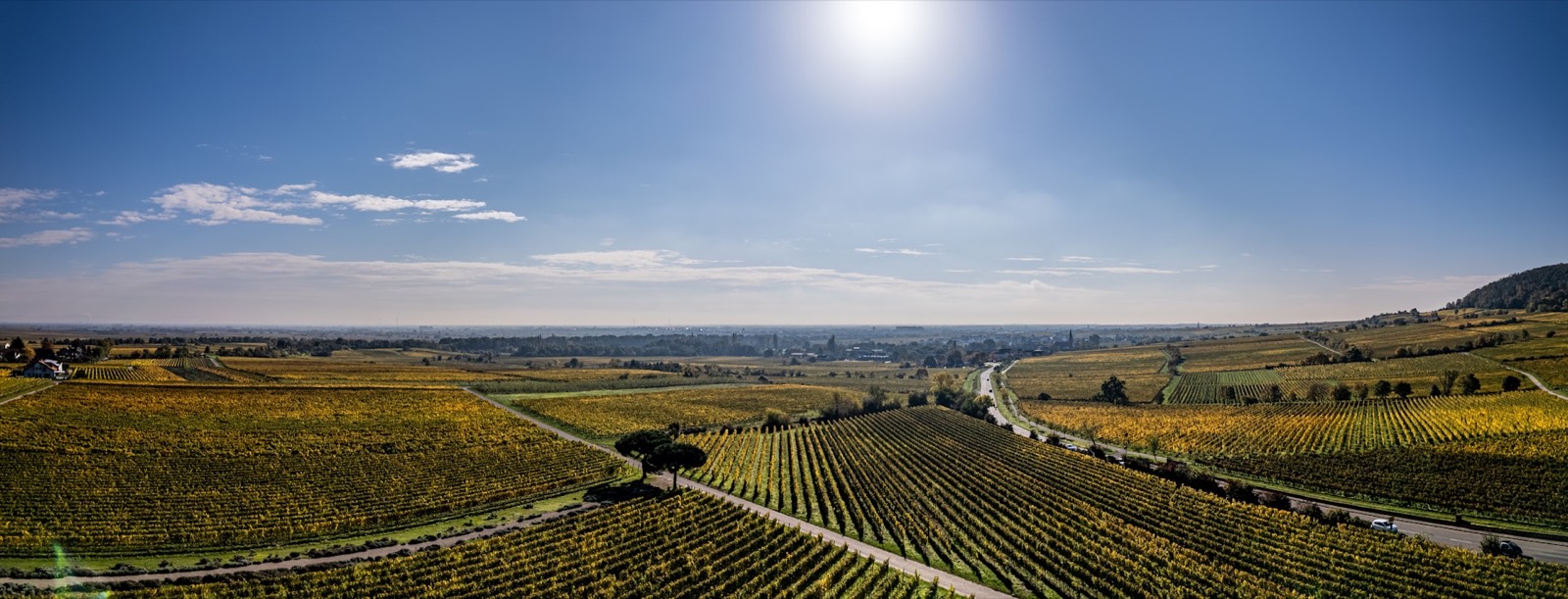
Dauerkulturen
Reben, Bäume und Ruten, bei denen dieselben Pflanzen jede Entscheidung weitertragen.
-
Weinbau
Steile Lagen, enge Gassen, hoher Wert
Wuchskartierung je Zeile, Überwachung von Falschem und Echtem Mehltau, Frostsenken und das Gelände, in dem Drohnenapplikation überhaupt zulässig ist.
Parzellen von 0,5 bis 20 Hektar, auch Hänge, die Maschinen nicht bearbeiten können.
-
Obstanlagen
Die Früchte zählen, die Blüte schützen
Fruchtzählung für die Buchung im Packhaus, Blütenfrostschutz, Baum für Baum Gesundheit und Vögel zur Reife.
Anlagen von 1 bis 40 Hektar.
-
Beeren und Weichobst
Hoher Wert je Quadratmeter, kurze Fenster
Pflückprognosen für die Arbeitsplanung, Beregnungsgleichmäßigkeit unter Tunneln, Vogeldruck und Frost bei frühen Sorten.
Blöcke von 0,5 bis 15 Hektar, Freiland und Tunnel.
-
Hopfen
Eine Wand aus Laub, in die niemand hineinsieht
Überwachung von Falschem Mehltau und Spinnmilben von oben, dazu Wuchskartierung über ein Gerüst, das am Boden alles verdeckt.
Gärten von 2 bis 50 Hektar.
Geschützter Anbau
Glas und Folie, wo nichts dem Wetter überlassen bleibt.
Grünland und Vieh
Silage, Weide und die Wildtierpflicht, die zum Mähwerk gehoert.
-
Grünland und Silage
Suchen, bevor der Mäher losfährt
Thermale Kitzsuche vor dem ersten Schnitt, Kartierung der Narbenqualität und Nachsaat, wo der Bestand zurückgegangen ist.
Schläge von 2 bis 40 Hektar, im Morgengrauen beflogen.
-
Milchvieh und Weidehaltung
Die abgelegene Koppel, jeden Morgen kontrolliert
Tägliche Tierzählung, Kontrolle des Zaunverlaufs und gemeldete Tiere, ohne die Fahrt zu jeder abgelegenen Koppel.
Weideflächen von 20 bis 300 Hektar, Stationen nach Akkureichweite gesetzt.
Dienstleister
Lohnunternehmen, Genossenschaften und Renaturierungsprojekte mit vielen Flächen.
-
Lohnunternehmen
Eine Leistung, die Sie je Hektar weitergeben
Erkundung, Wildtiersuche und Applikationskarten zusätzlich zu Ihrer bisherigen Arbeit, ohne eine Flotte zu kaufen.
Portfolios von 500 bis 5.000 Hektar über viele Betriebe.
-
Genossenschaften und Großbetriebe
Ein Bild über alle Mitgliedsflächen
Flottenabdeckung über verstreute Schläge, vergleichbare Zahlen zwischen Betrieben und Berichte, die sauber zusammenlaufen.
2.000 bis 40.000 Hektar über verstreute Mitgliedsflächen.
-
Aufforstung und Renaturierung
Den Hang bepflanzen, den niemand begehen kann
Geländekartierung, Saatkugeln auf Flächen, die Maschinen nicht erreichen, und Auflaufzählungen als Nachweis.
Flächen von 1 bis 500 Hektar, auch Gelände ohne Fahrzeugzugang.
Ihre Fruchtfolge steht nicht auf der Liste
Most of it still applies. Tell us the crop and the hectares and we will say plainly which capabilities earn their keep and which do not.